Townhouse vs Standalone House: Which Is Better for First-Home Buyers?
A townhouse can suit a first-home buyer who values location and a smaller outdoor workload. A standalone house can suit someone who needs more separation, single-level living or room outside. Neither is automatically cheaper to own or a better investment. Start with the actual home, title and total budget.
As you explore new townhouses, weigh the trade-offs against standalone new homes in the locations you can realistically afford. This guide helps you decide what to inspect and what to ask before enquiring.
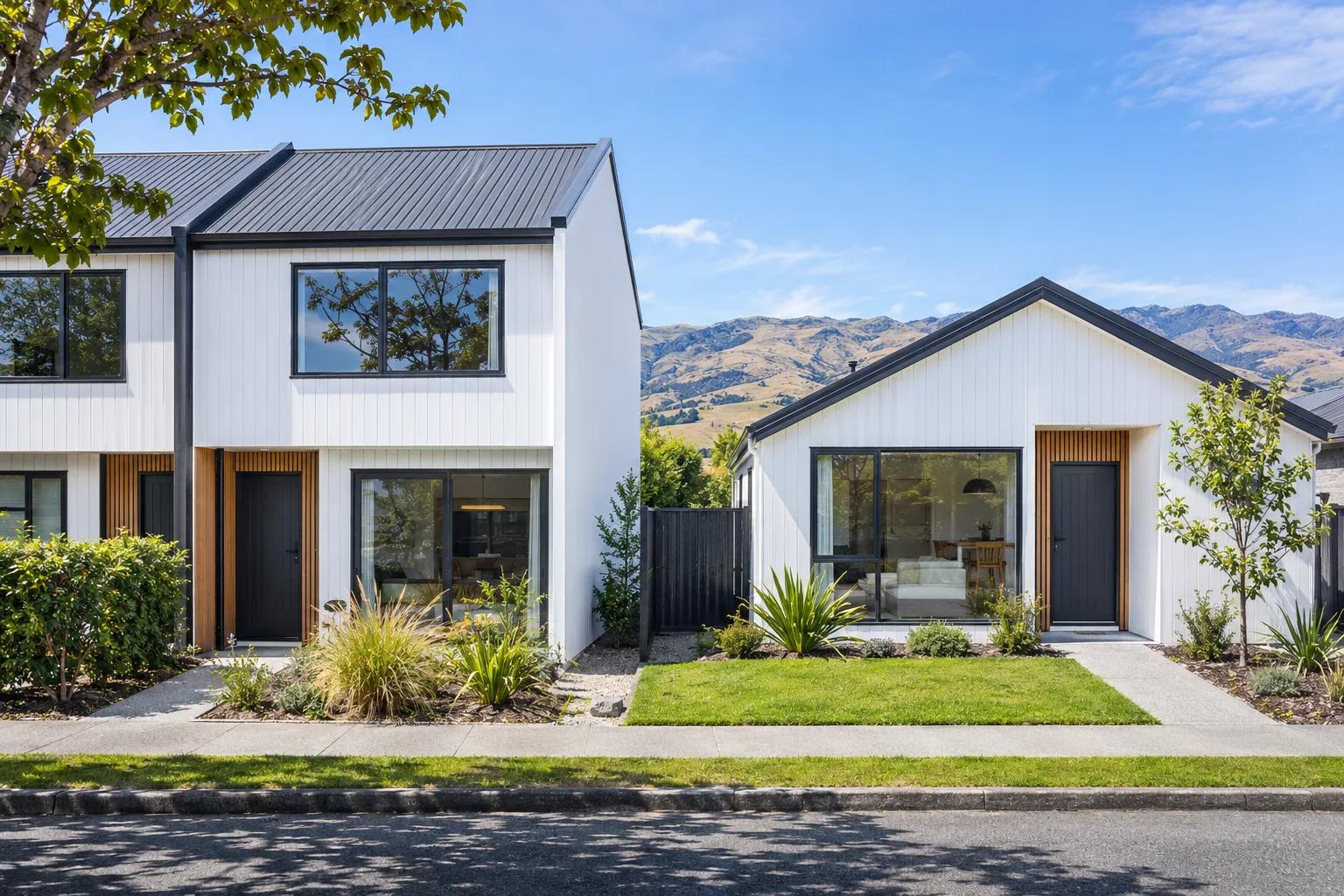
Which suits you?
When a townhouse fits
A compact townhouse may be a good match if it puts work, transport and everyday services within easier reach, and you are comfortable with the stairs, parking and outdoor space. A smaller garden can leave more time for other things, but check how much maintenance the exterior and any shared areas require.
When a standalone fits
A detached home may be a better match if you need space for children, pets, hobbies or working from home, or want fewer shared building elements. Look at the usable lawn and storage rather than section area alone. A standalone house on a compact section can still have close neighbours, restrictive covenants and shared access.
Write down your non-negotiables before viewing. Separate a second bathroom or garage you need now from space you might want later. A home that meets your daily needs within a sustainable budget can be a stronger first step than stretching for a property type.
Total ownership costs
Do not assume a townhouse is cheaper because it is attached, or that a standalone home will rise in value faster. Compare the asking prices of actual homes, then build a budget using property-specific costs. This is a decision about your cash flow and circumstances, not a forecast of returns.
- Deposit, lender repayments and any lender conditions for the exact property.
- Council rates and an insurance quote that reflects the title and building arrangements.
- Body corporate levies or other shared maintenance charges, where applicable.
- Routine upkeep, future exterior repairs and an emergency buffer.
- Transport, parking, heating and any immediate purchases such as blinds or storage.
- Legal advice, inspection and moving costs, alongside the purchase price.
Ask what each levy includes so you do not count insurance or maintenance twice. Spread annual bills across your normal pay cycle and ask your lender to test the budget at a higher repayment level. Settled's finance confirmation guidance explains why pre-approval can have conditions and why the lender needs to approve the property itself.
Buying a completed home and buying before construction finishes can involve different payment timing. Read our new-build deposit guide, then confirm the agreement and funding timetable with your lawyer and lender.
Title and shared costs
Townhouse describes a building form, not the legal ownership. Do not infer the title from a photograph. Settled's ownership guidance explains freehold, unit title, cross lease and leasehold, and recommends legal review of the record of title.
For a freehold townhouse, ask your lawyer about easements, covenants and obligations for party walls, accessways, drainage and other services. Freehold does not automatically mean there are no shared costs or restrictions. For a standalone house, check the same documents, including any shared driveway or development rules.
For a unit title home, review the body corporate arrangements and disclosure documents before committing. Unit Titles Services provides unit title buyer guidance. Request current levies, insurance details, meeting records, maintenance plans and information about proposed major work or special levies. Have your lawyer explain what documents should be supplied and whether anything is missing.
Our body corporate fee guide expands on these checks. A low advertised levy alone does not establish that future work is adequately funded.
Everyday living
Noise and privacy
Visit at different times if possible. Listen from bedrooms and living spaces, look at neighbouring windows and balconies, and ask how shared walls and floors are constructed. A claim about acoustic compliance does not tell you how quiet every activity will feel. A detached house can also receive noise from roads, heat pumps and neighbouring gardens.
Stairs and usable space
Walk the route from the parking space to the kitchen with groceries in mind. Check bedroom access, furniture dimensions, storage, laundry drying and whether you could manage an injury or changing mobility. Floor area alone does not show how much space is lost to stairs and circulation.
Parking and outdoors
Confirm whether a parking space is legally included, allocated or shared. Test the turning space and check visitor parking. Look at sunlight in the rooms and courtyard you will use, not just the marketing image. Consider overlooking, wind, bins, bikes and where children or pets could safely spend time.
Upkeep and future changes
A low maintenance home still needs cleaning, servicing and repairs. Ask how upper-storey gutters, roofing and cladding are accessed and paid for. For either home type, check permissions and practical limits before assuming you can add a deck, heat pump, fence, extension or EV charger.
Buyer checks
- Shortlist homes against your budget, location and essential daily needs.
- Request the title, plans, specification, inclusions and draft agreement for the exact home.
- Obtain rates, insurance and shared-cost information rather than using another property's bills.
- Have your lawyer review ownership, access, restrictions and contract conditions before signing.
- Arrange suitable independent inspection and check council records and natural hazards.
- Confirm lender approval and the payment timetable for the property.
- For a completed new build, check the code compliance certificate, handover records and defect process; for an unfinished home, clarify how and when these will be supplied.
Settled's property research guidance covers inspection, floor area, boundaries and other checks. MBIE's completion guidance explains sign-off and the code compliance process. A new appearance is not a substitute for the documents.
FAQ
Is a townhouse a good first home?
It can be if the location, layout, title obligations and total costs fit your needs. Check stairs, sound, sunlight, parking and shared maintenance before deciding.
Do all townhouses have body corporate fees?
No. Check the legal title. A freehold townhouse may have other shared obligations, while a unit title property has body corporate arrangements to review.
Is a standalone house always a better investment?
No property type guarantees returns. Purchase price, location, condition, ownership costs and future buyer demand all matter. Avoid stretching your budget based on an assumed resale gain.
Which is lower maintenance?
A smaller garden may reduce outdoor chores, but building materials, access for repairs and shared responsibilities can change the workload and cost. Request a maintenance schedule for the actual home.